Is Bad Breath Holding Back Your Confidence?

Source: Dr. Marketing
Most people experience bad breath from time to time. A strong cup of coffee, a meal filled with garlic and onions, or simply waking up in the morning can temporarily affect breath freshness. In these situations, the issue usually disappears after brushing, flossing, or eating. Persistent bad breath, however, is a different story.
When bad breath becomes a recurring concern, it can begin affecting much more than oral health. Many adults become increasingly self-conscious about their breath during conversations, professional meetings, social gatherings, and even interactions with family members. Some carry mints everywhere they go, while others avoid speaking in close proximity to people altogether.
What many people do not realize is that chronic bad breath is often not the problem itself. Instead, it is usually a symptom of an underlying oral health issue that requires attention.
At Stillwater Family Dental in Oak Park Heights, we help patients identify the causes of persistent bad breath and develop treatment plans designed to improve both oral health and confidence. Understanding why bad breath occurs is often the first step toward finding a lasting solution.
Why Bad Breath Can Have a Bigger Impact Than You Think

Bad breath, also known as halitosis, is one of the most common oral health concerns among adults. While it may seem like a minor issue, its effects can reach far beyond the mouth.
Professional Confidence
Many adults spend a significant portion of their day communicating with coworkers, clients, customers, or colleagues. When someone is concerned about their breath, even routine conversations can become uncomfortable. Instead of focusing on the discussion, they may find themselves wondering whether others notice their breath. Some people avoid speaking closely with others, while others become overly reliant on mints, gum, or mouthwash before every meeting.
Over time, this constant awareness can affect confidence in professional settings.
Social Confidence
Bad breath can also influence social interactions. Whether attending a dinner, meeting new people, going on a date, or spending time with friends, concerns about breath freshness can create unnecessary anxiety. Many individuals develop habits such as covering their mouth while speaking, keeping physical distance during conversations, or avoiding close interactions altogether. The challenge is that bad breath often becomes a silent concern. People rarely discuss it openly, which can make the problem feel even more frustrating and isolating.
While bad breath may seem like a confidence issue, it is often a sign that something else is happening inside the mouth.
What Causes Persistent Bad Breath?
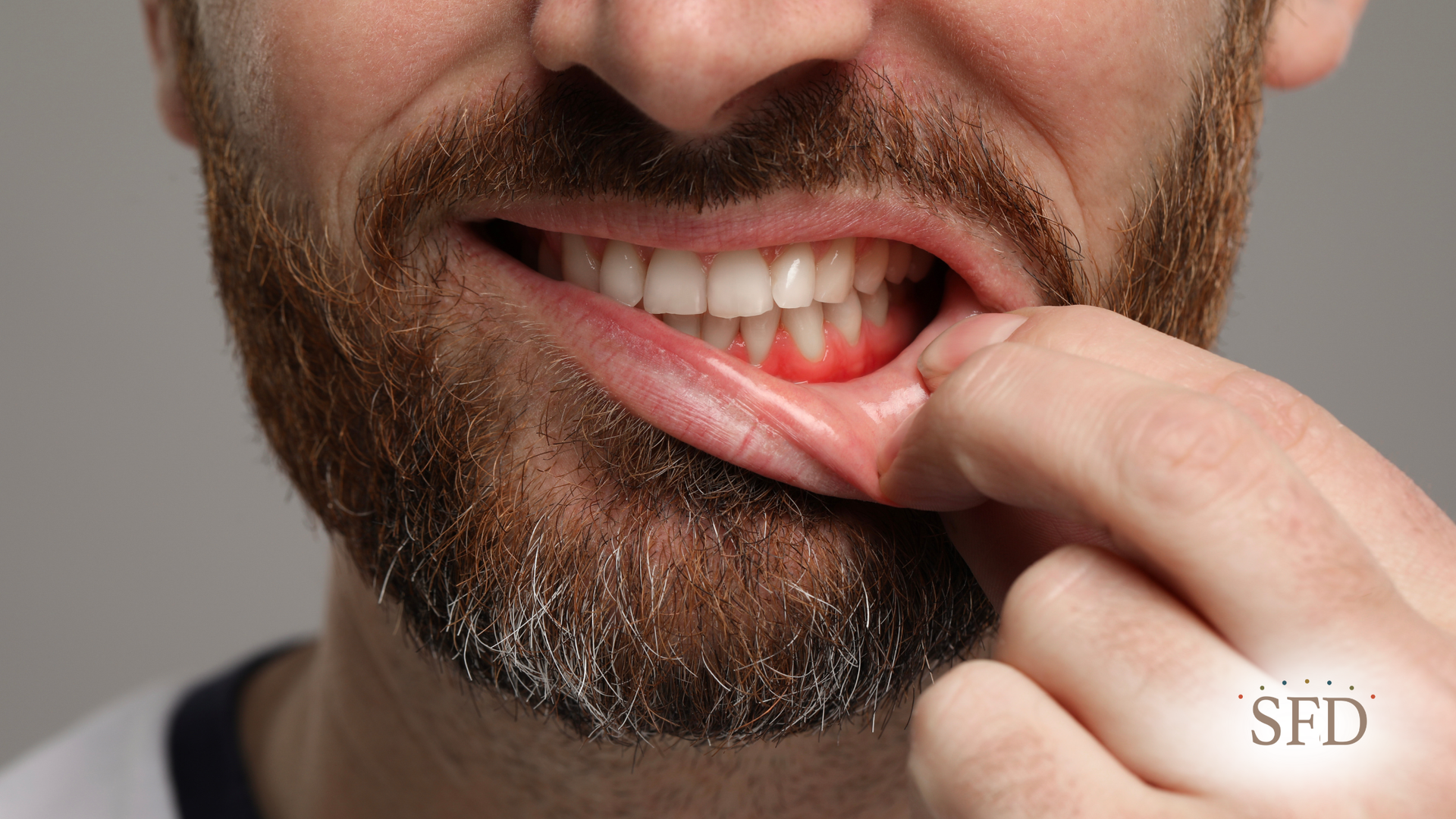
One of the biggest misconceptions about bad breath is that it is always caused by food. While certain foods can temporarily affect breath, chronic bad breath is usually linked to bacteria, oral health conditions, or changes in the oral environment.
- Bacteria and Plaque Buildup:
The mouth naturally contains millions of bacteria. As these bacteria break down food particles and other debris, they release compounds that can produce unpleasant odors. When plaque accumulates on the teeth, gums, and tongue, bacterial growth increases, often leading to persistent bad breath. The tongue is particularly important because its textured surface can trap bacteria and debris. Even patients who brush regularly may overlook tongue cleaning as part of their daily routine.
- Gum Disease and Tooth Decay: Bad breath is often one of the earliest signs of gum disease. As bacteria accumulate below the gumline, inflammation can develop, and deeper pockets may form around the teeth. These areas create an ideal environment for odor-producing bacteria to thrive. Untreated cavities can contribute as well. Tooth decay creates spaces where food particles and bacteria become trapped, making it difficult to eliminate the source of the odor through brushing alone.
- Dry Mouth: Saliva plays a critical role in maintaining oral health. It helps wash away bacteria, food particles, and debris throughout the day. When saliva production decreases, bacteria can multiply more rapidly and contribute to unpleasant odors. Many adults experience dry mouth without realizing it may be contributing to their bad breath.
- Lifestyle Habits: Certain habits can also affect breath freshness. Smoking and tobacco use are among the most common contributors. In addition to producing odors directly, tobacco products increase the risk of gum disease and dry mouth, both of which can worsen bad breath over time. Dietary habits, alcohol consumption, and inadequate oral hygiene can also contribute to persistent odor.
Why Temporary Fixes Rarely Work

When bad breath becomes noticeable, many people immediately reach for a quick solution.
Breath mints, chewing gum, mouthwash, and breath sprays can provide temporary freshness, but they often fail to address the actual source of the problem. This is why the odor frequently returns shortly afterward.
Think of bad breath as a warning sign rather than the problem itself. If plaque buildup, gum disease, tooth decay, or dry mouth remain untreated, simply covering the odor will not solve the underlying issue.
Many patients become frustrated because they feel they are doing everything possible to manage their breath, yet the problem keeps returning. The reality is that lasting improvement usually requires identifying the cause and treating it directly. This is where a professional evaluation can make a significant difference.
Treating the Cause, Not Just the
Symptoms

The most effective treatment for bad breath depends on what is causing it.
Professional Treatment
For some patients, a professional dental cleaning is enough to remove plaque and tartar buildup that contribute to bacterial growth. If gum disease is present, treatment may focus on reducing inflammation and eliminating bacteria below the gumline. Patients with cavities or damaged restorations may benefit from restorative treatment to remove areas where bacteria and food debris collect. During a dental examination, the source of the problem can often be identified and addressed through a personalized treatment plan. Contact us today to book your evaluation!
At-Home Habits That Support Fresher Breath
Professional treatment works best when combined with consistent home care. Healthy habits may include:
- Brushing twice daily
- Flossing regularly
- Cleaning the tongue
- Staying hydrated
- Replacing toothbrushes regularly
- Attending routine dental visits
These simple habits help reduce bacterial accumulation and support fresher breath over the long term.
Confidence Starts with a Healthy Mouth

Persistent bad breath is often viewed as a cosmetic concern, but it can affect confidence, relationships, professional interactions, and overall quality of life.
The good news is that many causes of bad breath can be identified and treated. Rather than relying on temporary solutions, addressing the underlying cause often leads to lasting improvements in both oral health and breath freshness.
Feeling confident during conversations, social gatherings, and professional interactions starts with feeling comfortable about your oral health.
If persistent bad breath is affecting your confidence or daily interactions, book a consultation with Stillwater Family Dental in Oak Park Heights. Identifying the source of the problem is the first step toward fresher breath, improved oral health, and greater confidence.
Share
Related Posts