
Why a Dental Crown Is Often Needed After a Root Canal
Source: Dr. Marketing
A root canal is often described as a procedure that “saves” a tooth, and in many ways, that is true. It removes infection, relieves discomfort, and allows the natural tooth to remain in place. However, what is less commonly discussed is what happens to the tooth after the procedure is complete.
At that stage, the tooth is no longer the same as it was before. It may be free of infection, but it is also structurally altered. This is where the recommendation for a dental crown becomes important, not as an added step, but as a necessary continuation of care.
At Stillwater Family Dental in Oak Park Heights, the focus is not only on treating the immediate concern but also on ensuring that the tooth remains stable and functional in the long term. Understanding why a crown is often advised after a root canal helps clarify how this approach protects both the tooth and overall oral health.
What Changes Within the Tooth After a Root Canal
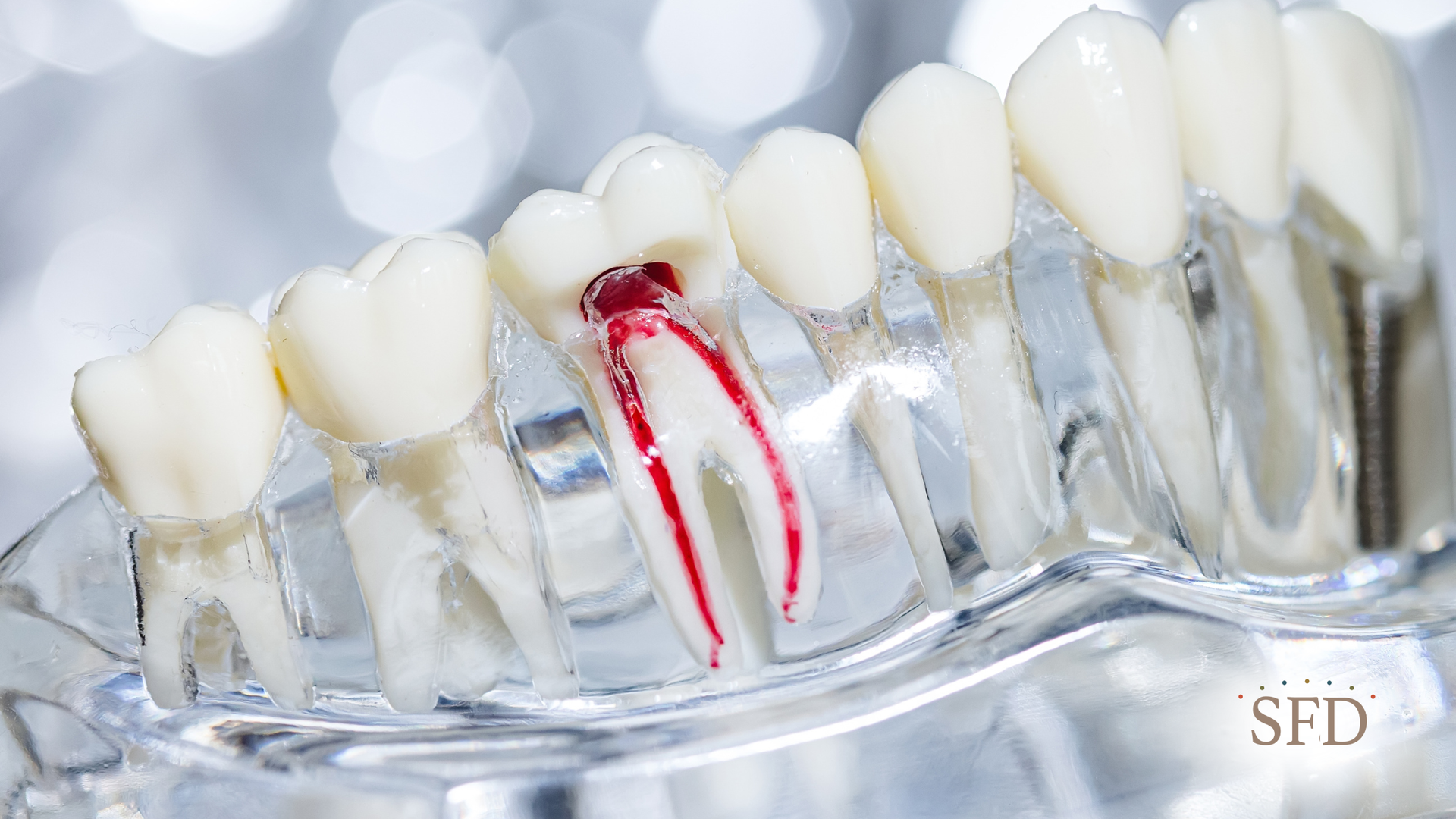
Inside every tooth is a soft tissue known as the pulp. This tissue contains nerves and blood vessels that help keep the tooth nourished. During a root canal, this pulp is removed because it has become infected or damaged. Once removed, the space is cleaned and sealed. The tooth is no longer living in the same way, and while it continues to function, it no longer has the same internal support system.
Over time, this lack of internal hydration can cause the tooth to become more brittle. It does not always happen immediately, and in many cases, the tooth may feel completely normal for a period of time. However, the structural resilience is reduced, which means the tooth is less able to absorb everyday forces.
This change is subtle but significant. It shifts the focus from treating infection to protecting structure.
Why Strength Becomes the Primary Concern

Teeth are constantly under pressure. Every time you chew, bite, or even clench, force is applied across the surface of your teeth. Healthy teeth are designed to distribute this pressure efficiently, but a tooth that has undergone a root canal does not respond in the same way. Instead of flexing slightly under pressure, it becomes more rigid. This rigidity makes it more susceptible to cracks. These cracks may begin as microscopic lines that are not visible or noticeable, but over time, they can develop into larger fractures.
This is particularly important for molars and premolars, which handle the majority of chewing forces. Without additional protection, these teeth are at a higher risk of breaking, even during normal daily use.
At Stillwater Family Dental in Oak Park Heights, this stage of care is approached with long-term preservation in mind. The goal is not just to eliminate discomfort, but to reduce the likelihood of future structural failure.
Why a Filling Alone Is Often Not Enough

After a root canal, the tooth is typically sealed with a filling material. While this restores the internal space, it does not reinforce the outer structure of the tooth.
A filling works well for smaller areas of damage, but when a tooth has been significantly altered, especially after infection or decay, it often lacks the strength needed to function without full coverage.
In many cases, a large portion of the original tooth structure has already been compromised before the root canal is even performed. Relying on a filling alone in these situations can leave the tooth vulnerable.
This is why a more comprehensive form of protection is often recommended.
How a Crown Supports the Tooth
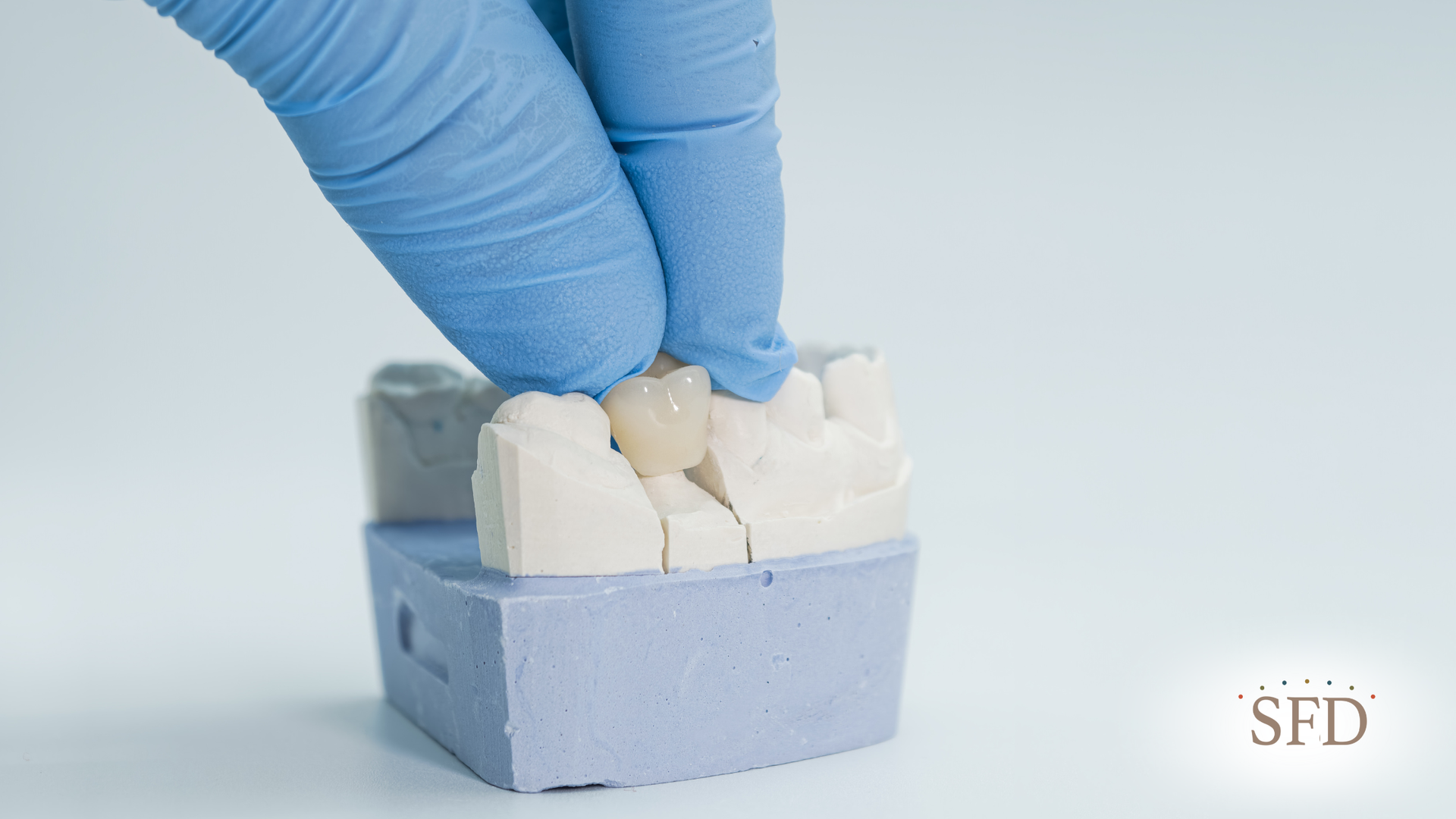
A dental crown is designed to cover the entire visible portion of the tooth. Rather than reinforcing a single area, it provides full structural support.
By covering the tooth completely, the crown helps distribute pressure evenly across its surface. This reduces the risk of stress concentrating in weaker areas, which is often how fractures begin.
Beyond strength, a crown also restores the original shape and contour of the tooth. This allows it to function properly within the bite, ensuring that it does not place excess pressure on surrounding teeth.
At Stillwater Family Dental in Oak Park Heights, crowns are carefully designed to integrate naturally with the rest of the smile. The focus is on achieving both stability and balance, so the restored tooth feels and functions as expected.
Timing Matters More Than Many Realize

It is not uncommon for patients to feel that once the root canal is completed and the discomfort is gone, further treatment can wait. While this may seem reasonable, it can increase the risk of complications. A tooth that has undergone a root canal may function normally for some time, but the underlying structural weakness remains. Fractures can occur suddenly, often without warning, during routine activities such as chewing.
Once a tooth cracks significantly, the options for preserving it may become more limited. In some cases, the damage may extend below the gum line, making it difficult to restore. Addressing the tooth with a crown sooner rather than later helps reduce this risk. It provides immediate reinforcement and supports the long-term stability of the tooth.
Patients who complete this step at Stillwater Family Dental in Oak Park Heights often benefit from a more predictable outcome, with fewer complications over time.
The Connection Between Function and Appearance
While strength is the primary reason for placing a crown, the impact on appearance and overall function should not be overlooked. A tooth that has been treated with a root canal may become discolored or structurally uneven. A crown restores a more natural appearance while also ensuring that the tooth aligns properly with the surrounding teeth.
This alignment is important for maintaining a balanced bite. When one tooth is not functioning correctly, it can affect how other teeth come together, leading to uneven wear or discomfort over time.
By restoring both form and function, a crown supports the overall harmony of the smile.
Long-Term Protection for a Preserved Tooth

A root canal and a crown are not separate treatments, but parts of the same process. One addresses the internal health of the tooth, while the other protects its external structure.
Together, they allow the tooth to remain in place, functioning as part of your natural smile.
With consistent oral hygiene and regular dental visits, a crowned tooth can remain stable for many years. This makes it a reliable option for preserving natural teeth rather than replacing them.
A Thoughtful Approach to Tooth Preservation

Choosing to place a crown after a root canal is ultimately about protecting what has already been saved. It is a step that supports longevity, stability, and everyday comfort.
At Stillwater Family Dental in Oak Park Heights, this approach is centered on careful evaluation and long-term planning. Each recommendation is made with the goal of maintaining both the function and integrity of your natural teeth.
When patients understand how these treatments work together, the process feels less like multiple procedures and more like a complete, well-planned solution.
Share
Related Posts