Foods That Can Stain or Damage Dental Bonding
Source: Dr. Marketing
You have just had dental bonding completed, and your chipped tooth, small gap, or uneven edge looks noticeably different. Naturally, you want to keep it looking that way.
But what happens when you sit down for your next meal? Can you drink coffee? Bite into an apple? Eat crunchy snacks? And do you need to change your brushing routine?
Dental bonding is a relatively straightforward cosmetic dental treatment, but the composite resin used to restore your tooth still needs proper care. While bonding allows you to return to many normal activities quickly, certain foods and habits can increase the risk of staining, chipping, or premature wear.
At
Stillwater Family Dental in Oak Park Heights, we help patients understand how to care for their bonded teeth so they can maintain their appearance and function.
Can You Eat Normally After Dental Bonding?

One of the advantages of
dental bonding is that it generally does not require a lengthy recovery period.
During treatment, a tooth-coloured composite resin is applied, shaped, and hardened using a special curing light. Once the material has been fully cured and polished, it is generally ready for normal use.
Unlike treatments involving laboratory-made restorations, dental bonding usually does not require waiting for a separate restoration to be fabricated.
However, being able to eat does not mean every food is equally suitable for a newly bonded tooth. If local anesthesia was used, wait until the numbness has worn off before eating to avoid accidentally biting your cheek, lip, or tongue.
Our team may also recommend avoiding particularly hard or sticky foods initially, depending on the size and location of the bonding. For patients who have bonding on their front teeth, the way they bite into food is especially important because direct pressure can place stress on the restored edges.
What Foods Can You Eat After Dental Bonding?
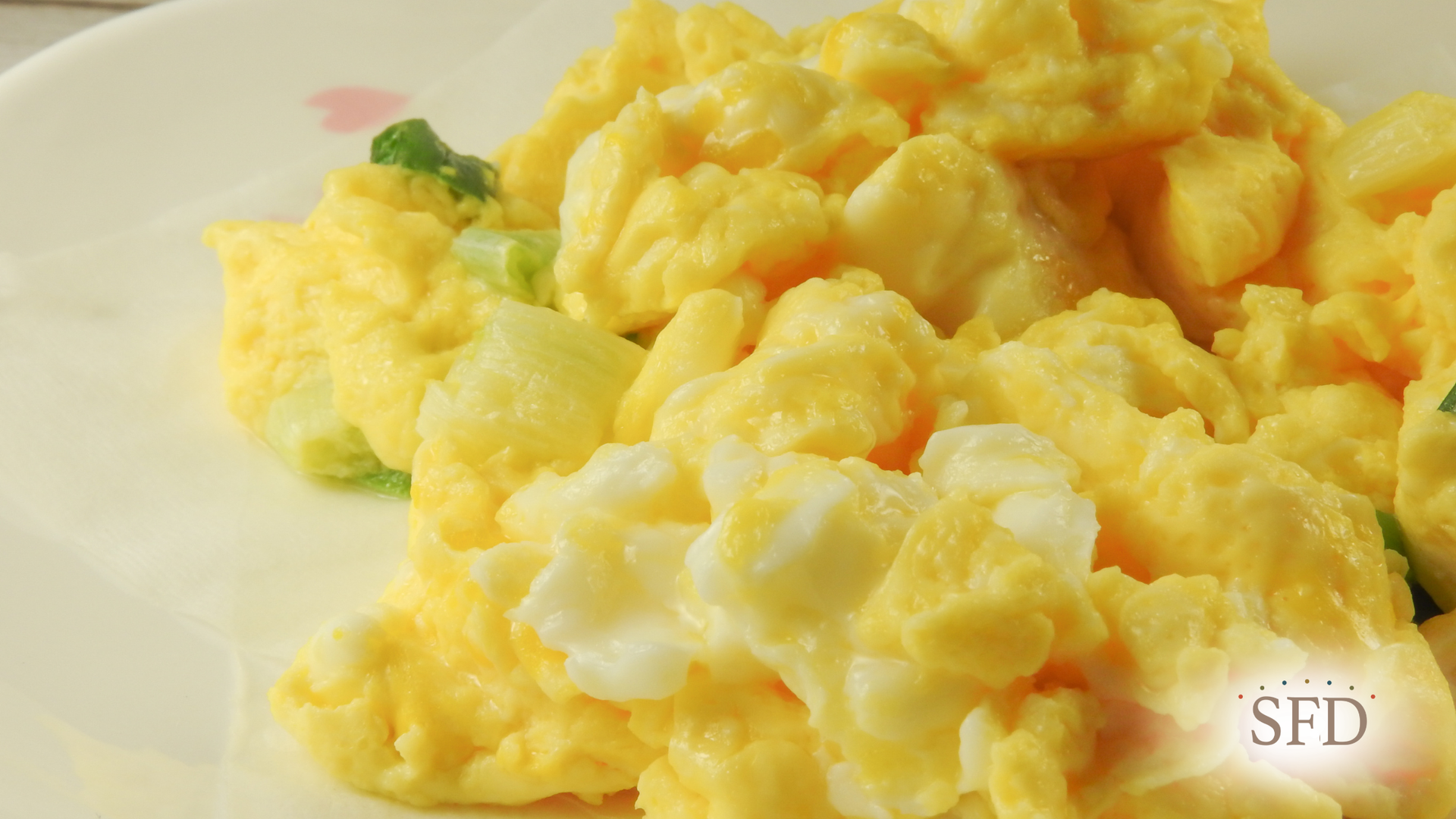
You do not need to follow a completely different diet after dental bonding. The goal is to choose foods that are comfortable to chew and place less pressure on the bonded area, particularly during the first day. Some suitable options include:
- Scrambled eggs, yogurt, and oatmeal
- Soft pasta, rice, and cooked vegetables
- Bananas, berries, and other soft fruits
- Tender fish, chicken, or other easy-to-chew proteins
- Soups that have cooled to a comfortable temperature
- Soft bread and sandwiches without hard crusts
These foods are generally gentle on your teeth and can make the transition back to regular eating more comfortable. If your bonding was completed to repair a chipped front tooth, consider cutting food into smaller pieces rather than biting directly with the restored tooth. As you return to your usual diet, pay attention to how the bonding feels. A properly shaped restoration should fit comfortably within your bite. If you notice that the bonded tooth contacts other teeth unusually early or feels uncomfortable when chewing, contact our team for an assessment.
Foods to Avoid or Limit After Dental Bonding
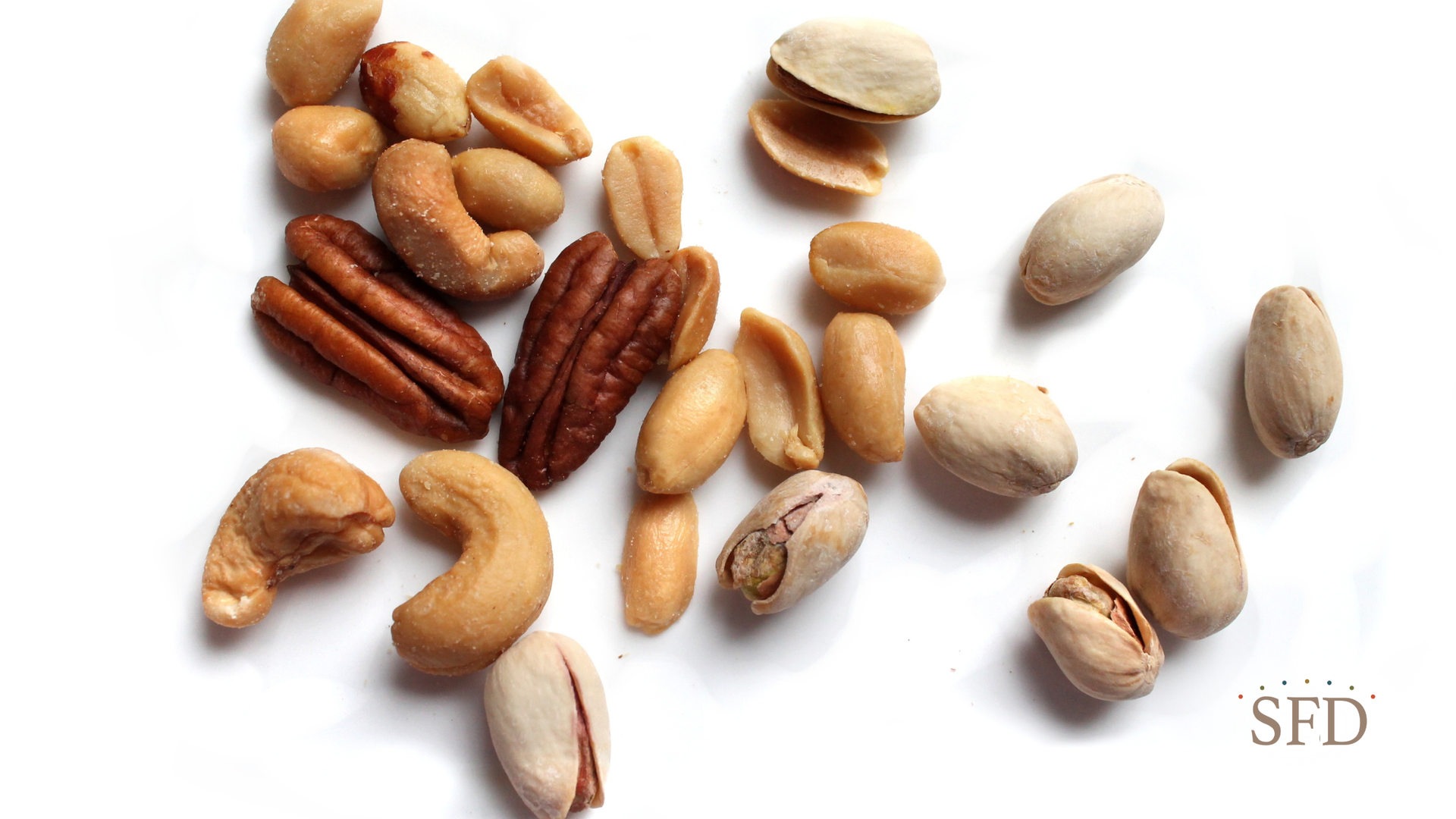
Dental bonding is designed to withstand everyday chewing, but composite resin is not as resistant to certain forces or stains as natural tooth enamel. Some foods and habits are more likely to affect the appearance or durability of the restoration.
Hard and Crunchy Foods
Biting directly into ice, hard candies, popcorn kernels, or very hard nuts can place concentrated pressure on bonded edges. This may increase the risk of chipping, especially when bonding has been used to rebuild a front tooth. You do not necessarily need to eliminate every crunchy food. Instead, avoid using bonded teeth to break particularly hard items and chew carefully.
Sticky and Chewy Foods
Very sticky candies, toffees, and similar foods may place unnecessary stress on dental restorations. While properly bonded composite resin is securely attached to the tooth, repeated pulling or excessive biting forces can contribute to wear or damage.
Foods and Drinks That Cause Staining
Composite resin can gradually absorb surface stains, particularly from frequently consumed foods and beverages. Common examples include:
- Coffee and black tea
- Red wine
- Dark berries
- Tomato-based sauces
- Curry and strongly coloured seasonings
You do not need to avoid these foods permanently. However, limiting frequent exposure, rinsing with water afterward, and maintaining good oral hygiene can help reduce staining. Unlike natural enamel, composite bonding does not respond to conventional teeth whitening treatments in the same way. If the bonding becomes noticeably discoloured, professional polishing, repair, or replacement may be necessary.
Can You Drink Coffee After Dental Bonding?

For many patients, this is one of the first questions after cosmetic dental bonding. Coffee does not automatically damage a bonded tooth, but frequent exposure can contribute to staining over time.
The composite resin used for bonding may gradually develop discolouration, particularly around the margins where the material meets the natural tooth. If you enjoy coffee daily, a few habits may help maintain the appearance of your bonding.
Drink water after coffee to help rinse away pigments, avoid sipping staining beverages continuously throughout the day, and maintain regular brushing and professional cleanings. If our team has recommended specific precautions immediately after treatment, follow those instructions.
It is also worth remembering that whitening your natural teeth later may create a colour difference between the enamel and existing bonding. If you are considering
teeth whitening and dental bonding together, discussing the treatment sequence in advance can help achieve a more consistent appearance.
Everyday Habits That Can Damage Dental Bonding
Food choices are only part of dental bonding aftercare.
Certain habits can place more pressure on composite resin than normal chewing. For example, biting fingernails, chewing pens, opening packaging with your teeth, or using your front teeth to hold objects can increase the risk of damaging bonded areas.
Teeth grinding and clenching may also contribute to wear or fractures. If you regularly grind your teeth, particularly during sleep, our team may recommend a custom night guard to help protect your natural teeth and restorations.
Dental bonding can repair the appearance of a tooth, but it does not make the tooth immune to damage from excessive force. At
Stillwater Family Dental in Oak Park Heights, we encourage patients to mention habits such as clenching or grinding during their cosmetic dental consultation so that the restoration can be planned with those factors in mind.
How Should You Brush and Floss Bonded Teeth?
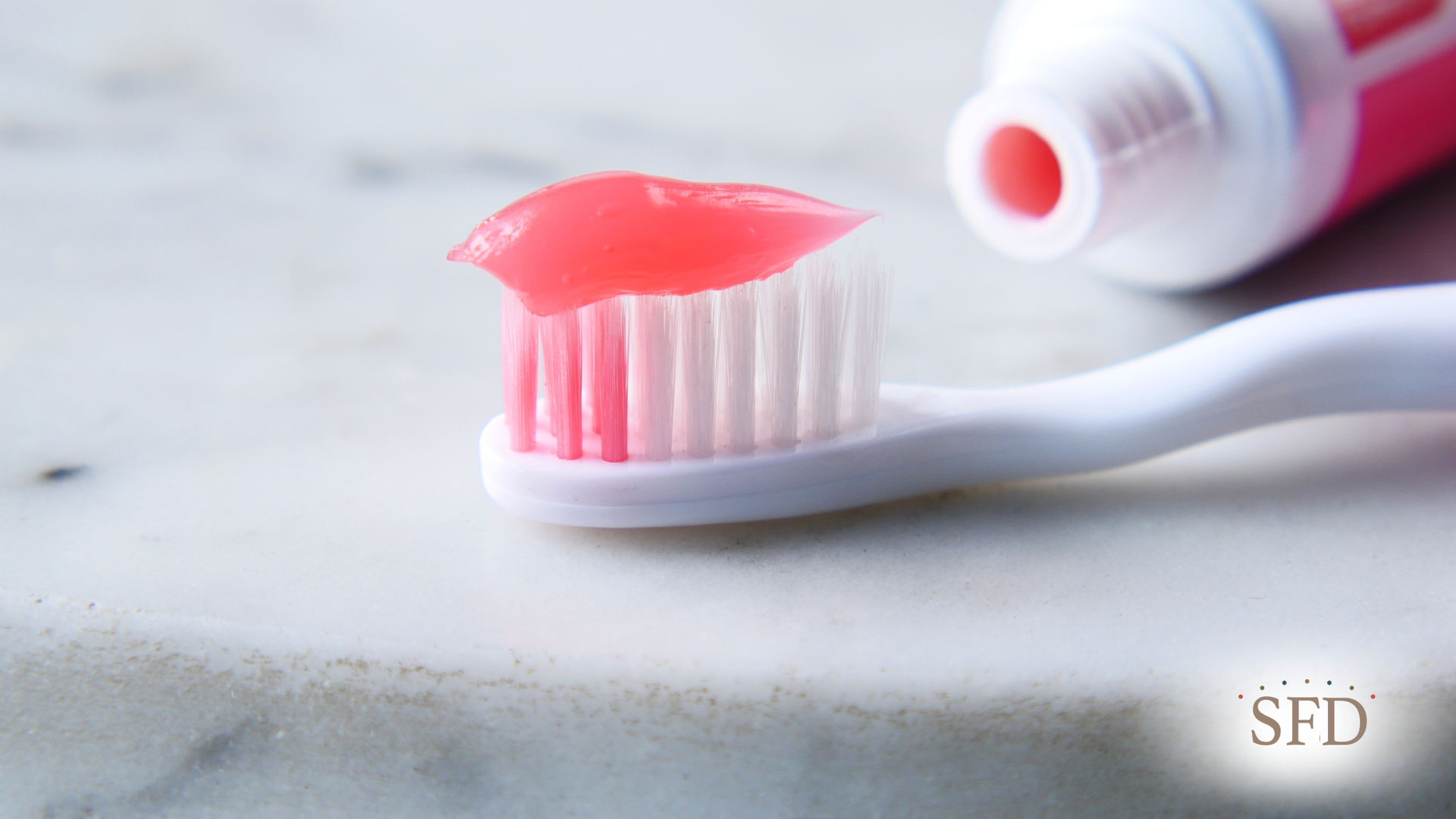
Dental bonding does not require a complicated oral hygiene routine, but consistency matters. Brush twice daily with a soft-bristled toothbrush and fluoride toothpaste. Clean between your teeth every day using floss or another recommended interdental cleaning method. Avoid aggressive brushing or highly abrasive products that may dull the polished surface of the composite resin.
Floss carefully around bonded teeth without snapping the floss forcefully against the gums. Regular dental examinations and professional cleanings are also important. Our team can assess the restoration for staining, rough edges, chips, and changes in the surrounding tooth structure.
If you notice that floss repeatedly catches or shreds around a bonded area, have the restoration checked rather than trying to smooth it yourself. Maintaining healthy gums and natural tooth structure around the bonding is just as important as protecting the composite material.
How Long Does Dental Bonding Last?
Dental bonding can remain functional and attractive for several years, but its lifespan varies.
The location and size of the restoration, your bite, oral hygiene habits, diet, and exposure to grinding or clenching all influence how long it lasts. Bonding placed on a front tooth edge may experience different forces than bonding used to improve the shape of a tooth surface.
Over time, composite resin may become stained, worn, or chipped. The good news is that minor damage can sometimes be repaired without replacing the entire restoration. In other situations, replacement may be recommended.
If you notice a sharp edge, visible chip, rough surface, or change in your bite, arrange a dental appointment. A small adjustment or repair may help address the concern before further damage occurs.
Keep Your Dental Bonding Looking Its Best

Dental bonding can improve the appearance of chipped, uneven, discoloured, or slightly spaced teeth, often with minimal alteration to the natural tooth structure.
Maintaining the results comes down to practical habits: avoiding excessive biting forces, being mindful of staining foods, brushing gently, and attending regular dental visits. You can still enjoy many of your favourite foods after dental bonding. The key is understanding which habits may place unnecessary stress on the restoration.
At
Stillwater Family Dental in Oak Park Heights, we help patients explore dental bonding and understand how to maintain their restored smiles. If you are considering dental bonding or have concerns about an existing bonded tooth, book a cosmetic dental consultation with our team. We can assess your teeth, discuss suitable treatment options, and provide personalized aftercare recommendations.
Share
Related Posts