Why Invisalign® May Be Worth Considering Over Braces

Source:
Dr. Marketing
When you decide to straighten your teeth, it is natural to wonder how long treatment will take. Between Invisalign® and traditional braces, which gets you to a straighter smile faster?
The answer is not quite as simple as choosing one over the other. Invisalign® can be faster for certain patients, while braces may be more efficient for others. Treatment time depends on your starting tooth positions, bite, the movements required, and how closely you follow your treatment plan.
But speed is only one part of the decision. Invisalign® has changed what orthodontic treatment can look and feel like in everyday life. No visible metal brackets, fewer food restrictions, and removable aligners can make treatment easier to fit around work, meals, social events, and your normal oral hygiene routine.
At Stillwater Family Dental in Oak Park Heights, we help patients understand these differences so they can choose an option based on their smile and lifestyle, not simply which treatment sounds faster.
So, Is Invisalign® Faster Than Braces?
Sometimes, but not always.
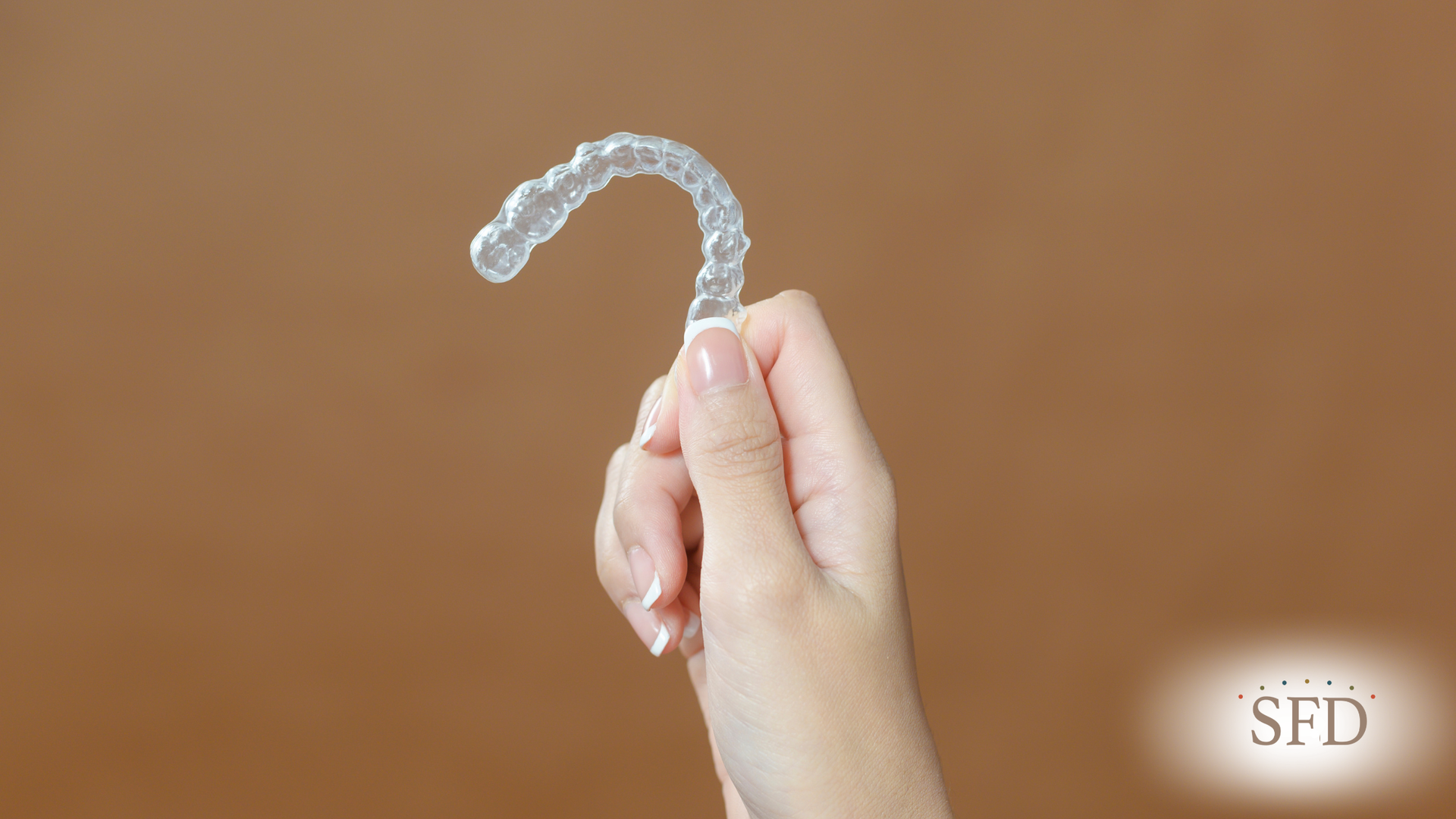
For mild to moderate alignment concerns, Invisalign® may offer an efficient treatment timeline because each series of aligners is digitally planned to create specific tooth movements. More complicated cases, particularly those involving significant bite correction or complex tooth movement, may require longer treatment or may be better suited to braces.
There is another important difference: Invisalign® depends on you.
Braces remain attached to your teeth and work continuously. Invisalign® aligners can be removed, but they generally need to be worn for approximately 20 to 22 hours each day. Leaving them out too often can interfere with planned tooth movement and extend your treatment.
So instead of asking which treatment is faster overall, ask which could be faster for your teeth.
A consultation with Stillwater Family Dental in Oak Park Heights can give you a much more realistic idea of your Invisalign® timeline before you decide.
Why Choose Invisalign® Over Traditional Braces?

For many patients, the biggest advantages of Invisalign® become apparent during everyday life rather than in the treatment chair.
Straighten Your Teeth More Discreetly
Invisalign® aligners are clear and fit closely over the teeth. They are not completely invisible, but they are considerably less noticeable than traditional metal brackets and wires. That can be particularly appealing for adults who regularly attend meetings, interact with clients, go to events, or simply do not want orthodontic treatment to become a prominent part of their appearance.
Eat Without Brackets Getting in the Way
Traditional braces can make certain foods more complicated. Hard, sticky, or crunchy foods may damage brackets and wires, which means patients often need to adjust what and how they eat. Invisalign® aligners are removed before meals. You can eat without an orthodontic appliance attached to your teeth, then clean your teeth and replace the aligners as directed.
Dinner out, a vacation meal, or your favourite snack does not have to revolve around brackets.
Keep Brushing and Flossing Simple
Cleaning around braces takes additional effort because plaque and food can collect around brackets and wires. With Invisalign®, the aligners come out when you brush and floss. You still need to clean the aligners themselves and maintain excellent oral hygiene, but your normal teeth-cleaning routine does not have to work around fixed orthodontic hardware.
No Traditional Brackets or Wires
Both Invisalign® and braces move teeth by applying controlled pressure, so some temporary tenderness is normal with either treatment.
However, Invisalign® does not use conventional brackets and wires that may irritate the inside of the lips or cheeks. For some patients, smooth removable aligners can make orthodontic treatment easier to accommodate. If visible braces or lifestyle changes have been keeping you from straightening your teeth, Invisalign® may be worth exploring with Stillwater Family Dental in Oak Park Heights.
Does Invisalign® Work as Well as Braces?
One persistent misconception is that Invisalign® is mainly for people with one or two slightly crooked teeth.
Clear aligner treatment has advanced significantly. Depending on the individual case, Invisalign® can address crowding, gaps, crooked teeth, and certain bite concerns. Small tooth-coloured attachments may also be used to help create more controlled movements.
However, this does not mean Invisalign® should replace braces in every situation.
Some complex orthodontic cases may benefit from the continuous control provided by fixed braces. Braces may also make more sense for someone who knows they would have difficulty wearing removable aligners consistently.
This is why choosing Invisalign® should start with an assessment rather than appearance alone. The goal is to find the approach that can predictably create the movements your teeth require.
Common Invisalign® Myths: What Is Actually True?

There is plenty of information about Invisalign® online, but a few common myths can make comparing your options unnecessarily confusing.
“Braces Are Always Faster”
Not necessarily. The complexity of your orthodontic needs has a major influence on treatment time. Some Invisalign® cases may progress efficiently, while others may require a timeline similar to braces.
“Invisalign® Is Only for Minor Cosmetic Changes”
Invisalign® can address more than slight crookedness. Clear aligners may be used for various spacing, crowding, and bite concerns. Whether they are appropriate depends on the specific movements required.
“I Can Take My Aligners Out Whenever I Want”
You can remove Invisalign® aligners, but that freedom comes with responsibility. They should generally only be removed for meals, certain drinks, and oral hygiene as directed. Consistently falling short of the recommended wear time may delay progress.
“Invisalign® Does Not Hurt at All”
Moving teeth involves pressure regardless of the orthodontic system. New Invisalign® aligners can temporarily make teeth feel tender or tight. Clear aligners eliminate traditional brackets and wires, but they do not eliminate every sensation associated with orthodontic movement.
Invisalign® FAQs

How Long Does Invisalign® Usually Take?
There is no standard treatment time for everyone. Your timeline depends on the amount of crowding or spacing, bite concerns, movements required, and how consistently you wear your aligners. We can estimate treatment length after assessing your teeth.
How Many Hours a Day Do I Need to Wear Invisalign®?
Invisalign® aligners are commonly worn for approximately 20 to 22 hours each day. They are generally removed for eating, certain beverages, brushing, and flossing. Always follow the wear schedule recommended for your treatment.
Can Adults Get Invisalign®?
Yes. Adults can be candidates for Invisalign® when their oral health and orthodontic needs are suitable for clear aligner treatment. There is no requirement to have straightened your teeth during your teenage years.
Can I Eat Normally With Invisalign®?
Because the aligners are removed for meals, Invisalign® generally does not come with the same food restrictions as braces. Good oral hygiene remains important before putting your aligners back in.
Can Invisalign® Correct Bite Problems?
Invisalign® may help correct certain overbites, underbites, crossbites, and other bite concerns. More complex cases may require braces or another approach, which is why an individual assessment is important.
Will I Need a Retainer After Invisalign®?
Yes. Teeth can gradually shift after orthodontic treatment, whether you had Invisalign® or braces. Retainers are generally recommended to help maintain the new positions of your teeth.
Is Invisalign® the Better Choice for You?
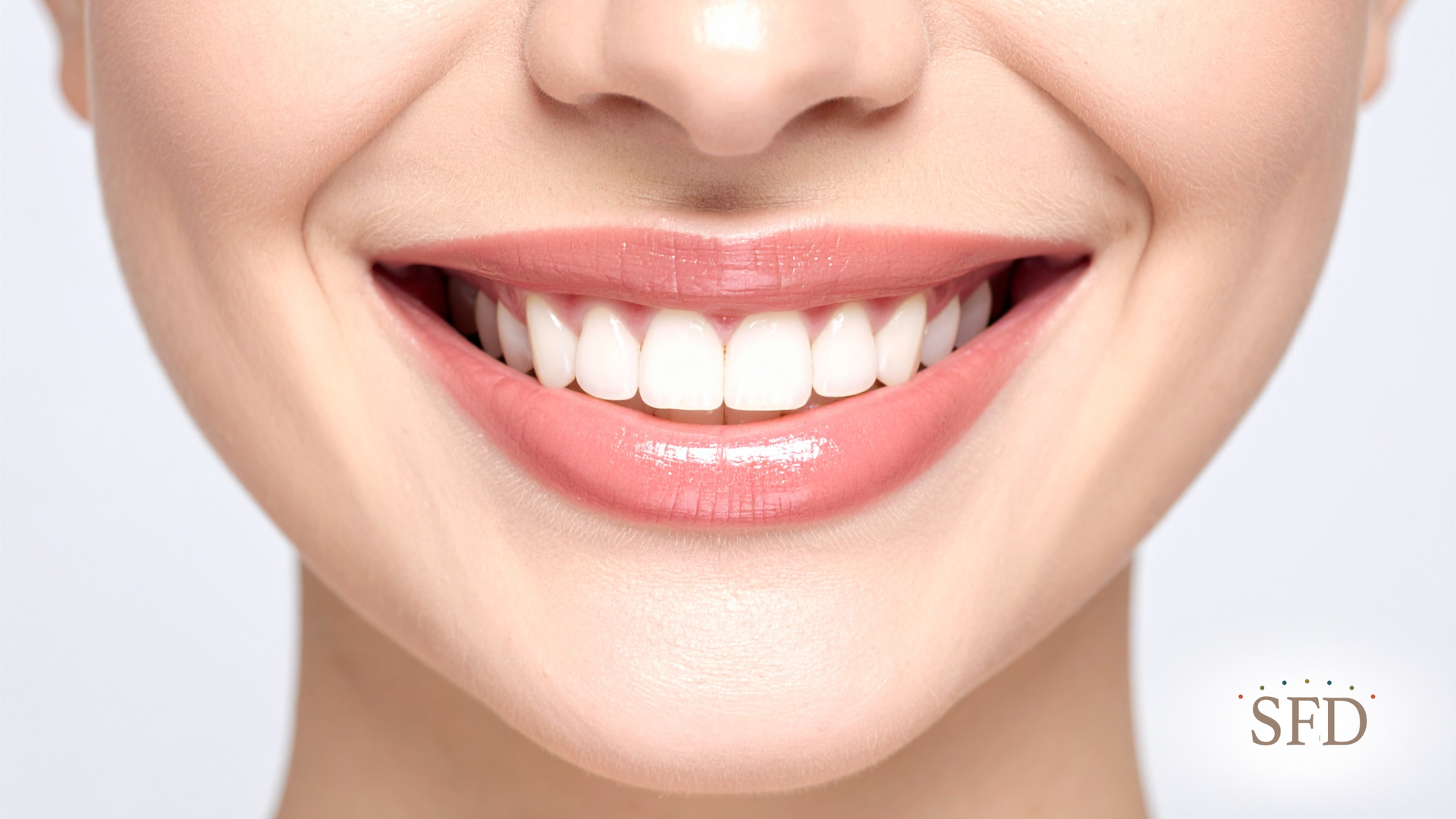
The appeal of Invisalign® is not simply the possibility of finishing treatment sooner. It is being able to straighten your teeth without making orthodontic treatment the centre of your everyday routine.
You can remove your aligners to eat, maintain a more familiar brushing and flossing routine, and straighten your teeth without conventional metal brackets and wires. For the right candidate, those differences can make the treatment experience considerably easier to fit into daily life.
Still, Invisalign® is not automatically better or faster for everyone.
At Stillwater Family Dental in Oak Park Heights, we can assess your teeth and bite, discuss what you would like to change, and compare Invisalign® with traditional braces based on your individual needs.
Wondering whether Invisalign® could be the right way to straighten your smile? Schedule a consultation with Stillwater Family Dental in Oak Park Heights to find out what your treatment could look like.
Share
Related Posts