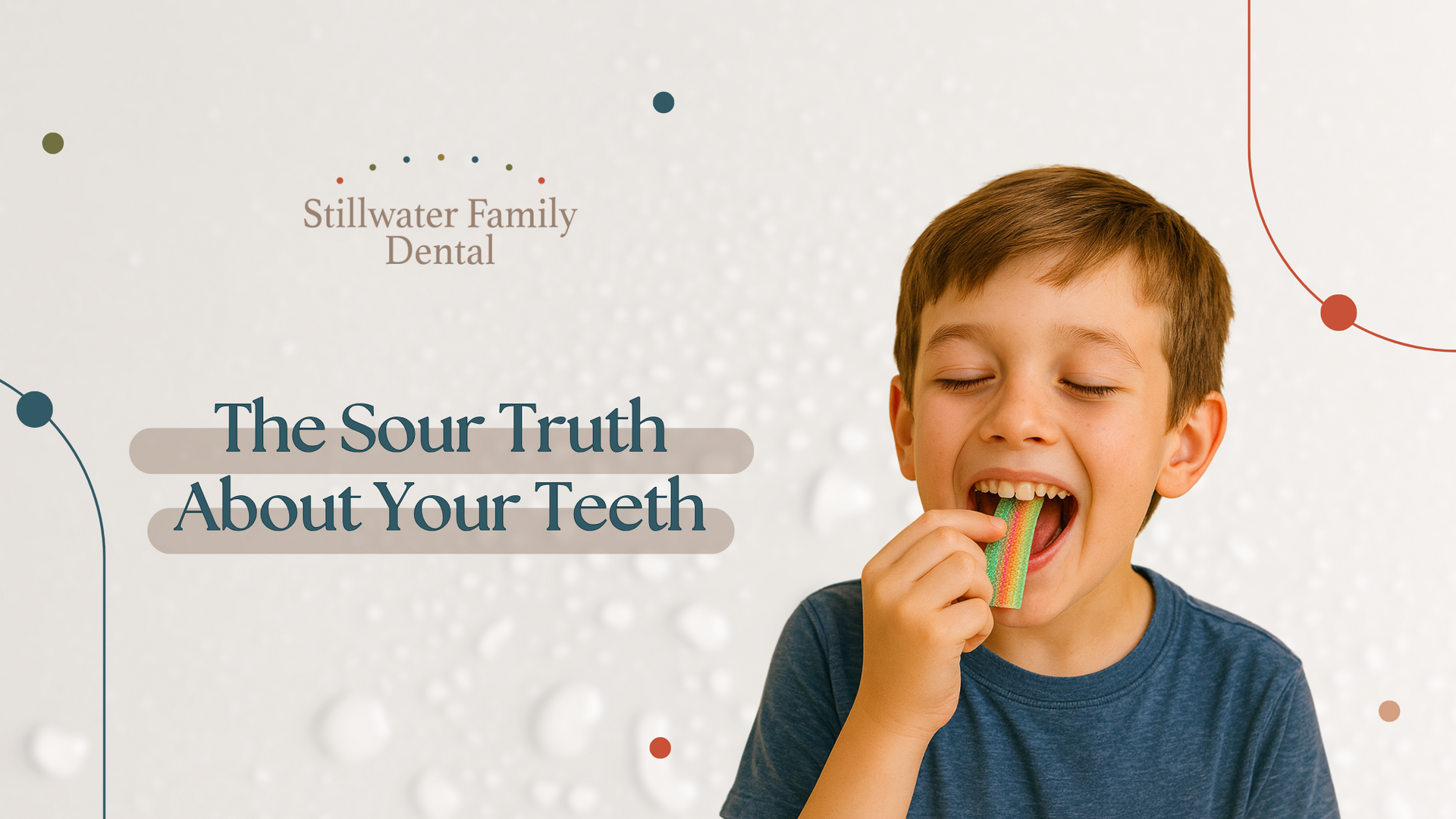
The Sour Truth About Your Teeth
Source: Dr. Marketing
Sour candy is a favored treat among kids and adults alike, but while your taste buds thank you, your teeth suffer the consequences. This is because the acids in sour candy wear down your tooth enamel, leaving your smile vulnerable to decay and discoloration. In this post, we’ll uncover the sour truth about these candies, warning signs of damage, and how to maintain a healthy smile while enjoying the occasional treat.
How Acid Attacks Your Enamel

While sour candies are often disregarded as a serious risk for tooth decay, the intense pucker from these treats comes from their citric, malic, or fumaric acids, which can significantly lower your mouth’s potential of hydrogen or pH levels. Very low pH levels, common in acidic candies, can damage your tooth enamel (the protective shell of your tooth) and lead to severe tooth decay.
Tooth enamel is primarily composed of minerals, including hydroxyapatite, which starts to dissolve when the pH of the tooth surface drops below 4. Many sour candies have a pH value between 2 and 4, which is well below this threshold. Acidic erosion occurs immediately when exposed to very low pH, and begins to dissolve your tooth enamel, leaving your smile vulnerable to decay.
Signs of Acid Damage in Your Smile
Detecting acid erosion on your teeth is critical for preventing severe long-term damage. Common symptoms to look out for include:
- Tooth sensitivity
- Discoloration
- Round or flattened teeth
- Cracks and chips
- Cupping or minor dents that appear on the chewing surface of your teeth
Tips to Protect Your Teeth from Sour Damage
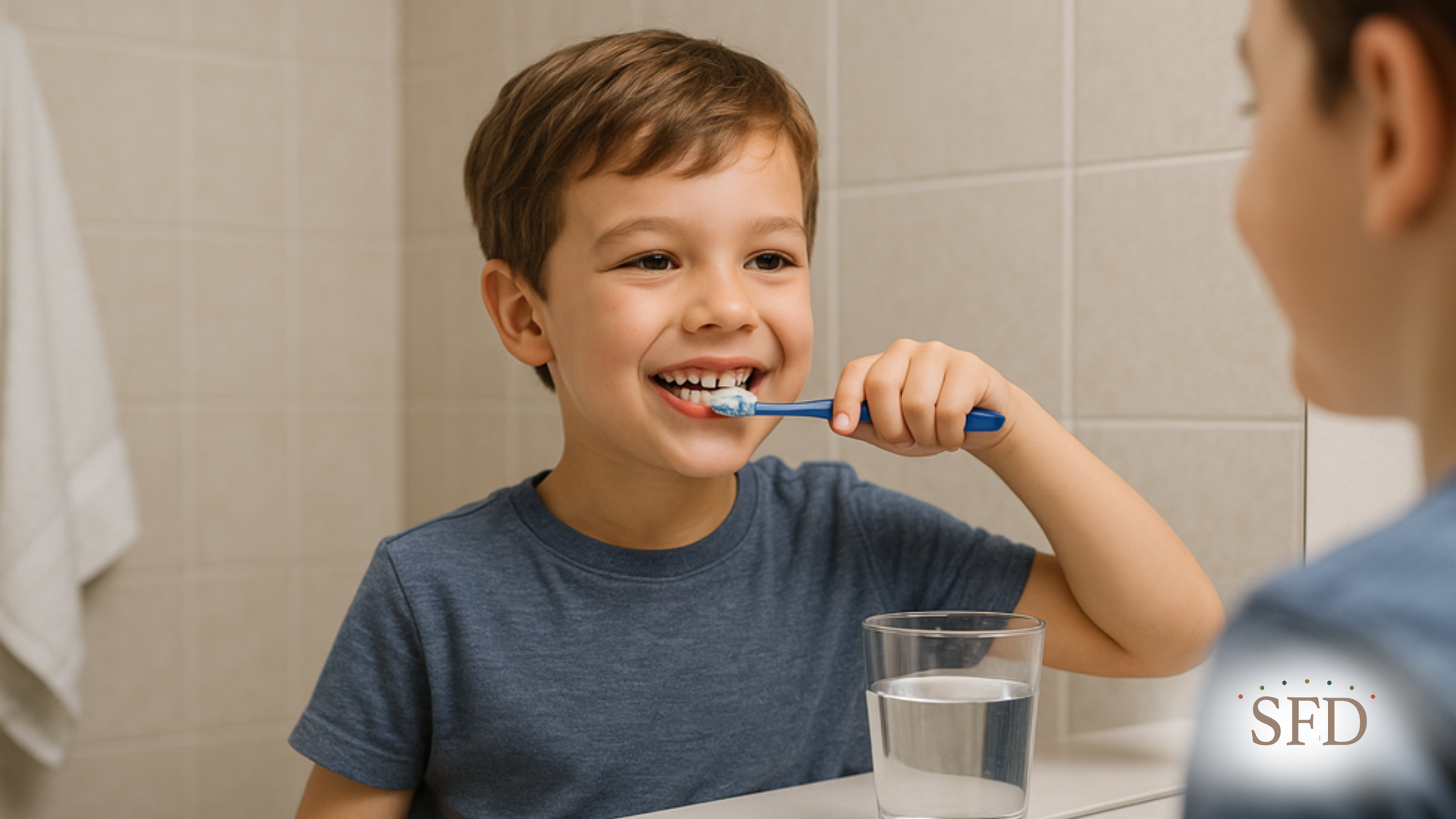
There are several ways to protect your teeth from acid damage, but the easiest way to prevent acid erosion is to be aware of your diet and limit your intake of highly acidic foods, such as wine, sour candies, soda, and energy drinks. The good news is that you don’t necessarily have to cut them out of your diet completely; it is just important to eat them with meals and other foods that can help neutralize acid. Drinking juice and soda through a straw can help prevent contact with your teeth, which is another excellent way to limit the acidic impact on your teeth.
Another way to help neutralize these acids is by eating cheese, rinsing your mouth with water, chewing sugarless gum, or using a fluoride rinse to counteract the damaging acidic effect of sour candy. Additionally, try not to keep acidic foods in your mouth for too long or consume them before bed, as this gives the acid ample time to damage your teeth. However, be sure to wait 30 minutes after consuming acidic foods before brushing your teeth, giving your saliva time to neutralize the acid.
Lastly, one of the most vital ways to maintain your teeth’s health is to visit a dentist regularly. At Stillwater Family Dental, we would be happy to schedule a consultation to assess whether your teeth exhibit signs of enamel erosion and work with you to develop a plan to maintain a strong and healthy smile.
Share
Related Posts